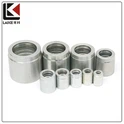
Hey there! As a supplier of Hose Assemblies, I've seen firsthand the importance of safety when using these products. In this blog, I'll share some key safety precautions that you should keep in mind to ensure a smooth and accident - free experience with hose assemblies.
1. Inspection Before Use
Before you even think about using a hose assembly, a thorough inspection is a must. Check for any visible signs of damage such as cuts, abrasions, bulges, or leaks. These issues can seriously compromise the integrity of the hose and lead to dangerous situations.
For example, a small cut might seem insignificant at first, but under high pressure, it can quickly turn into a major leak. And a bulge could indicate internal damage that might cause the hose to burst unexpectedly. You should also examine the fittings. Make sure they are tightly secured to the hose and show no signs of corrosion or wear. Loose or corroded fittings can come off during operation, leading to fluid or gas leaks.
2. Know the Operating Conditions
One of the biggest mistakes people make is using a hose assembly without fully understanding its operating conditions. Different hose assemblies are designed for specific pressures, temperatures, and types of fluids or gases.
For instance, a Hydraulic Hose Assembly is built to handle high - pressure hydraulic fluids. Using it for a low - pressure pneumatic application might seem okay, but it could still cause problems over time. Always refer to the manufacturer's specifications to ensure that the hose assembly is suitable for your intended use.
If you're working in extreme temperatures, pay extra attention. Some hoses can become brittle in cold weather, while others might soften and lose their shape in high - heat environments. Make sure the hose you choose can withstand the temperature range of your work area.
3. Proper Installation
Installing a hose assembly correctly is crucial for safety. First, make sure you're using the right tools for the job. Using improper tools can damage the hose or the fittings, leading to leaks or failures.
When connecting the hose to the equipment, follow the manufacturer's instructions carefully. Tighten the fittings to the recommended torque. Over - tightening can damage the threads and cause leaks, while under - tightening can result in loose connections.
Also, avoid kinking the hose during installation. Kinks can restrict the flow of fluid or gas and create weak points in the hose, increasing the risk of failure. If you need to bend the hose, make sure the bend radius is within the recommended limits.
4. Routing and Support
How you route and support the hose assembly can have a big impact on its safety and longevity. Avoid routing the hose near sharp edges or moving parts that could damage it. If possible, use protective sleeves or guards to prevent abrasion.
Proper support is also essential. Hoses that are not supported correctly can sag or vibrate, which can lead to premature wear and tear. Use hose clamps or brackets at regular intervals to keep the hose in place. This will help distribute the weight evenly and reduce stress on the hose.
5. Handling and Storage
When handling a hose assembly, be gentle. Rough handling can cause damage to the hose and fittings. Avoid dragging the hose across the ground or other rough surfaces.
When it comes to storage, keep the hoses in a clean, dry place away from direct sunlight and heat sources. Exposure to sunlight and heat can degrade the materials in the hose over time. If possible, store the hoses in a coiled or straight position, depending on the manufacturer's recommendations.
6. Pressure Testing
Before putting a new or repaired hose assembly into service, it's a good idea to perform a pressure test. This will help you identify any potential leaks or weaknesses in the hose.
Follow the proper procedures for pressure testing. Use a calibrated pressure gauge and gradually increase the pressure to the recommended test level. Hold the pressure for the specified time and check for any signs of leakage. If you detect a leak, do not use the hose until it has been repaired or replaced.
7. Training and Awareness
Last but not least, make sure that everyone who uses the hose assembly is properly trained. They should know how to inspect, install, and use the hose safely. Provide regular safety training sessions to keep everyone up - to - date on the latest safety procedures.
Create an awareness of the potential hazards associated with hose assemblies. Post safety signs in the work area to remind people of the safety precautions. Encourage employees to report any issues or concerns they notice with the hoses immediately.
Conclusion
Safety should always be the top priority when using hose assemblies. By following these safety precautions, you can reduce the risk of accidents, extend the life of your hoses, and ensure a more efficient and productive work environment.
If you're in the market for high - quality hose assemblies, we've got you covered. As a trusted supplier, we offer a wide range of Hydraulic Hose Assembly and Pneumatic Quick Coupling products that meet the highest safety standards. Don't hesitate to reach out to us for more information or to discuss your specific requirements. We're here to help you make the right choice for your business.


References
- Industry standards for hose assembly safety
- Manufacturer's manuals and specifications for hose assemblies