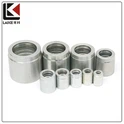
As a trusted supplier of hydraulic fittings, I've witnessed firsthand how improper installation can lead to a host of problems, from minor leaks to catastrophic system failures. In this blog post, I'll share some common installation errors to avoid when working with hydraulic fittings, ensuring that your hydraulic systems operate smoothly and efficiently.


1. Incorrect Fitting Selection
One of the most fundamental errors in hydraulic fitting installation is choosing the wrong fitting for the application. Hydraulic systems vary widely in terms of pressure, temperature, fluid type, and flow rate, and each fitting is designed to meet specific requirements. Using an incompatible fitting can result in leaks, reduced performance, and even safety hazards.
For example, if you select a fitting with a lower pressure rating than the system requires, it may rupture under high pressure, leading to fluid leakage and potential damage to equipment or injury to personnel. Similarly, using a fitting made from the wrong material for the fluid being transported can cause corrosion, which weakens the fitting and compromises its integrity.
To avoid this error, always consult the system specifications and the manufacturer's recommendations when selecting hydraulic fittings. Consider factors such as pressure rating, temperature range, fluid compatibility, and thread type. If you're unsure which fitting is right for your application, don't hesitate to reach out to your supplier for expert advice.
2. Improper Thread Engagement
Proper thread engagement is essential for creating a secure and leak-free connection between hydraulic fittings. When installing fittings, it's crucial to ensure that the threads are clean, undamaged, and properly lubricated. Failure to do so can result in cross-threading, which occurs when the threads of two fittings are not properly aligned and are forced together, causing damage to the threads and making it difficult to achieve a tight seal.
To avoid cross-threading, always start the fitting by hand to ensure that the threads are properly engaged. Use a wrench or other appropriate tool to tighten the fitting, but be careful not to over-tighten, as this can also damage the threads and cause leaks. Refer to the manufacturer's specifications for the recommended torque values for each fitting, and use a torque wrench to ensure that you're applying the correct amount of force.
3. Inadequate Sealing
A proper seal is crucial for preventing fluid leakage in hydraulic systems. There are several types of seals used in hydraulic fittings, including O-rings, gaskets, and cone seals, and each type has its own installation requirements. Failing to install the seal correctly or using a damaged or incompatible seal can result in leaks, which can lead to a loss of pressure, reduced system performance, and potential damage to equipment.
When installing seals, make sure they are clean, free of debris, and properly lubricated. Check the seal for any signs of damage, such as cuts, tears, or deformation, and replace it if necessary. Ensure that the seal is installed in the correct position and orientation, and that it is compressed to the recommended specifications. If you're using an O-ring, make sure it is seated in the groove properly and that there is no interference with other components.
4. Over-Tightening or Under-Tightening
As mentioned earlier, over-tightening or under-tightening hydraulic fittings can cause a variety of problems. Over-tightening can damage the threads, distort the fitting, and cause the seal to fail, while under-tightening can result in leaks and reduced system performance.
To avoid these issues, always follow the manufacturer's recommended torque values when tightening hydraulic fittings. Use a torque wrench to ensure that you're applying the correct amount of force, and avoid using excessive force or relying on guesswork. If you're unsure about the torque values for a particular fitting, consult the manufacturer's documentation or contact your supplier for assistance.
5. Neglecting to Clean the Fittings
Before installing hydraulic fittings, it's important to clean them thoroughly to remove any dirt, debris, or contaminants that may be present. Failure to do so can cause damage to the seals, threads, and other components, and can also lead to leaks and reduced system performance.
To clean hydraulic fittings, use a clean, lint-free cloth and a suitable cleaning solution. Avoid using abrasive materials or solvents that may damage the fittings. Make sure to clean the inside and outside of the fittings, as well as the threads and any other surfaces that will come into contact with the fluid or the seal.
6. Not Using the Right Tools
Using the wrong tools for the job can make it difficult to install hydraulic fittings correctly and can also cause damage to the fittings and other components. For example, using a wrench that is too large or too small for the fitting can result in over-tightening or under-tightening, and can also damage the threads.
To ensure that you're using the right tools for the job, refer to the manufacturer's recommendations and use the appropriate tools for each fitting. This may include wrenches, pliers, torque wrenches, and other specialized tools. Make sure that the tools are in good condition and that they are clean and free of debris.
7. Ignoring the Manufacturer's Instructions
Finally, one of the biggest mistakes you can make when installing hydraulic fittings is to ignore the manufacturer's instructions. Each fitting is designed and tested to meet specific requirements, and the manufacturer's instructions provide important information on how to install, use, and maintain the fitting properly.
Before installing any hydraulic fitting, make sure to read and understand the manufacturer's instructions carefully. Follow the instructions step by step, and pay attention to any warnings or precautions. If you have any questions or concerns, don't hesitate to contact the manufacturer or your supplier for assistance.
Conclusion
Installing hydraulic fittings correctly is essential for ensuring the safe and efficient operation of hydraulic systems. By avoiding these common installation errors, you can minimize the risk of leaks, failures, and other problems, and extend the lifespan of your hydraulic components.
At our company, we offer a wide range of high-quality hydraulic fittings, including NO Skive Ferrule, Hydraulic Hose Ferrule, and JIC Adaptor. Our fittings are designed to meet the highest standards of quality and performance, and our experienced team can provide you with expert advice and support to help you choose the right fittings for your application and install them correctly.
If you're in the market for hydraulic fittings or need assistance with your hydraulic system, we encourage you to contact us to learn more about our products and services. Our team is ready to help you find the solutions you need to keep your hydraulic systems running smoothly.
References
- Manufacturer's documentation for hydraulic fittings
- Industry standards and guidelines for hydraulic system installation and maintenance